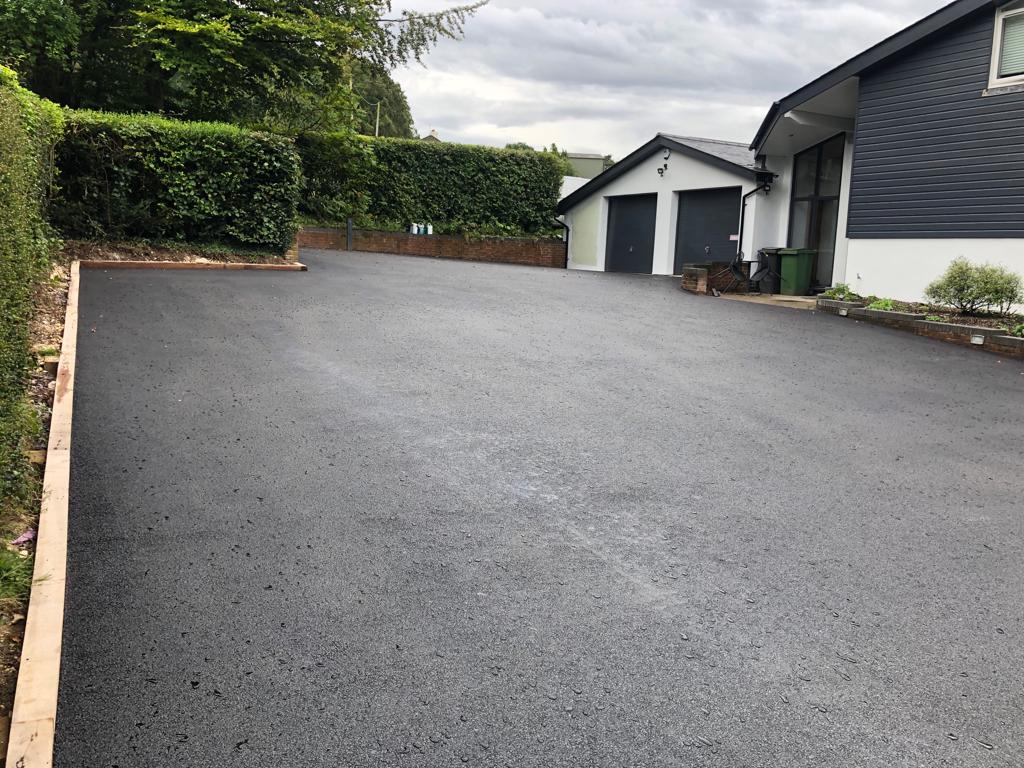
Hardstands are an essential feature for many commercial properties, providing a durable and stable surface for vehicles, equipment, and day-to-day operations. Whether used for storage, loading areas, or vehicle movement, a well-constructed hardstand supports efficiency and helps maintain a safe working environment.
For businesses in Tenterfield, NSW, planning a hardstand requires careful consideration to ensure the surface performs reliably under the demands of commercial use.
Understanding the Purpose of the Hardstand
The first step in planning a hardstand is understanding how it will be used. Different commercial applications place different demands on the surface, and this directly influences how the hardstand should be designed.
Common uses include:
- Heavy vehicle access and parking
- Equipment and machinery storage
- Loading and unloading zones
- Operational yard areas
Each of these uses requires a surface that can withstand regular stress while remaining stable and functional. Identifying the intended use ensures the hardstand is constructed to meet the specific requirements of the site.
Assessing Traffic Load and Frequency
One of the most important considerations is the type and volume of traffic the hardstand will support. Light vehicle use requires a different construction approach compared to areas that handle trucks, forklifts, or heavy machinery.
Higher traffic loads place greater pressure on the pavement structure, which means thicker asphalt layers and stronger base construction are often required.
For commercial sites in Tenterfield, understanding traffic patterns helps ensure the hardstand is built to handle daily operations without premature wear.
The Importance of a Strong Base
The base layer is the foundation of any hardstand. It supports the weight of vehicles and equipment while distributing loads evenly across the surface.
A properly prepared and compacted base is essential for preventing issues such as sinking, cracking, or deformation. If the base is not constructed correctly, even high-quality asphalt surfacing may fail over time.
Professional contractors ensure that the base is designed and installed to suit the ground conditions and intended use of the hardstand.
Drainage and Water Management
Effective drainage is a critical factor in maintaining the performance of a hardstand. Water that collects on the surface or penetrates the base can weaken the structure and lead to long-term damage.
Hardstands should be designed with appropriate gradients to allow water to flow away from the surface. This reduces the risk of pooling, erosion, and moisture-related deterioration.
In Tenterfield, where weather conditions can affect outdoor surfaces, proper drainage helps protect the hardstand and extend its lifespan.
Choosing the Right Surfacing Material
Asphalt and bitumen are commonly used for commercial hardstands due to their durability and flexibility. These materials provide a strong surface capable of handling regular traffic while adapting to minor ground movement.
The choice of surfacing material should be based on the specific requirements of the site, including load capacity and usage patterns. Professional contractors can recommend the most suitable option to ensure reliable performance.
A well-chosen surface contributes to both the functionality and longevity of the hardstand.
Planning for Long-Term Use
Commercial hardstands are subject to continuous use, which means long-term performance must be considered from the outset. Designing the surface to accommodate future demands can help prevent the need for early upgrades or repairs.
This may include allowing for potential increases in traffic, changes in usage, or additional equipment. A well-planned hardstand provides flexibility and ensures the surface remains suitable as the needs of the business evolve.
For businesses in Tenterfield, this forward-thinking approach supports ongoing operations without disruption.
The Role of Professional Installation
The success of a hardstand project depends on the quality of its construction. Proper ground preparation, base installation, surfacing, and compaction all play a role in determining how the surface performs over time.
Experienced contractors understand how to manage each stage of the process to achieve a durable and reliable result. Their expertise ensures that the hardstand is built to withstand the demands of commercial use while maintaining structural integrity.
Working with professionals helps ensure that the finished surface meets both current and future requirements.
Conclusion
Hardstands are a vital component of many commercial properties, providing stable and durable surfaces for vehicles, equipment, and operational activities. Careful planning, including consideration of usage, traffic loads, base construction, drainage, and surfacing materials, is essential for achieving long-term performance.
For businesses in Tenterfield, NSW, investing in a professionally designed and constructed hardstand ensures reliable access and supports efficient day-to-day operations.
Tenterfield Asphalt & Bitumen Surfacing provides expert hardstand construction tailored to the needs of commercial properties. If you are planning a new hardstand or upgrading an existing surface, our team can deliver a solution designed to perform reliably under the demands of your site.
Call us on: 02 5121 9090
Click here to find out more about Tenterfield Asphalt & Bitumen Surfacing
Click here to complete our contact form and see how we can help with your Asphalt and Bitumen Surfacing needs.